

Updated October 2026. AI in retail has moved past pilots and chatbots. The retailers getting real value use it for the unglamorous work: answering “where is my order?”, flagging stock that is about to run out, routing returns, chasing suppliers and pulling the weekly numbers together. This guide covers how AI automation works across physical stores, online stores and multichannel operations, which retail automation workflows to start with, and how to roll them out without breaking what already works.
Understanding AI Automation in Retail
AI automation in retail refers to intelligent systems that perform operational tasks without continuous human intervention. These ai technologies analyze customer data, historical sales data, and real time data to make decisions about restocking, pricing, customer interaction, and marketing campaigns automatically. Unlike traditional automation that follows rigid rules, machine learning models adapt to changing customer behavior and market trends.
The relevance to modern retail challenges is substantial. Labor costs continue rising while customer expectations for instant, personalized service increase. E-commerce giants and digitally native brands push innovation constantly, forcing conventional retailers to modernize or lose market share. In-store inefficiencies—stockouts, mispricing, poor promotions—cost physical retailers approximately 5.5% of gross sales, representing $162.7 billion annually in lost revenue.
Physical Store Automation
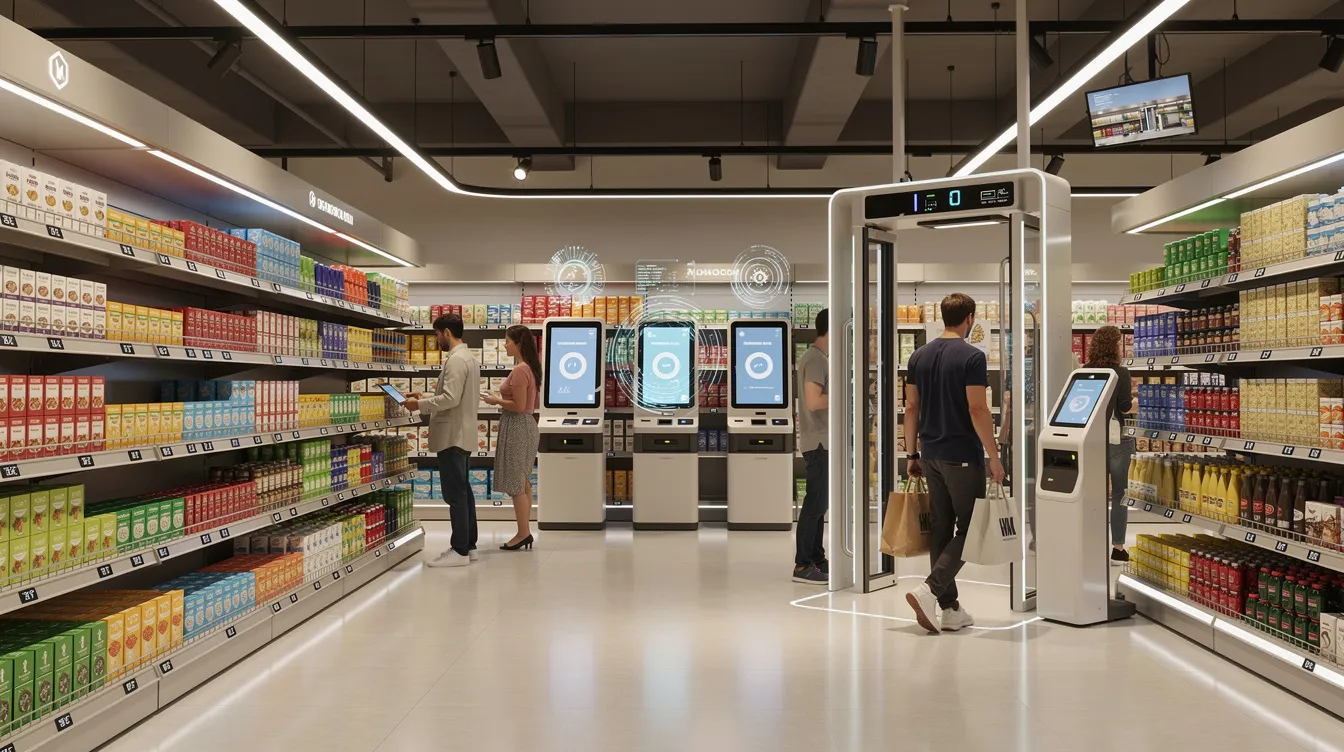
Physical store automation encompasses ai tools deployed within brick and mortar stores to optimize store operations, reduce shrinkage, and enhance the customer journey. These systems operate continuously, providing meaningful insights that store associates can act upon immediately.
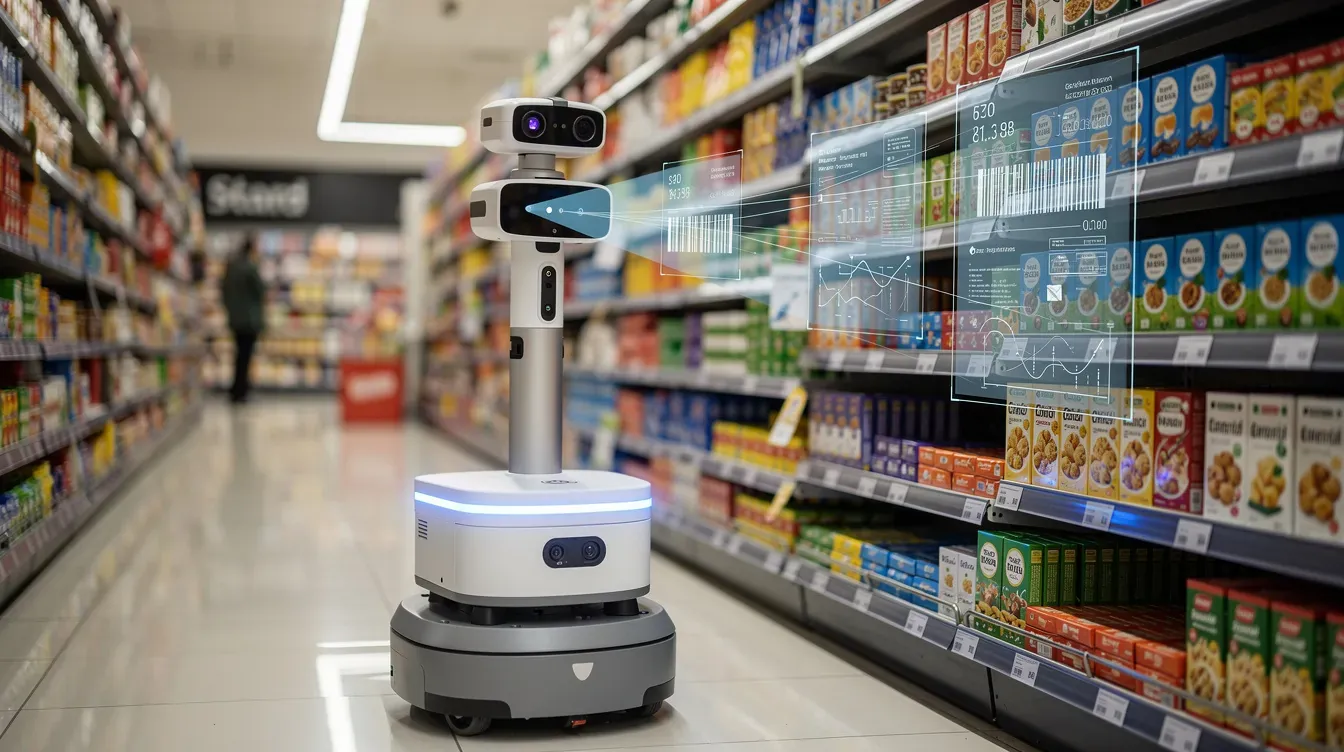
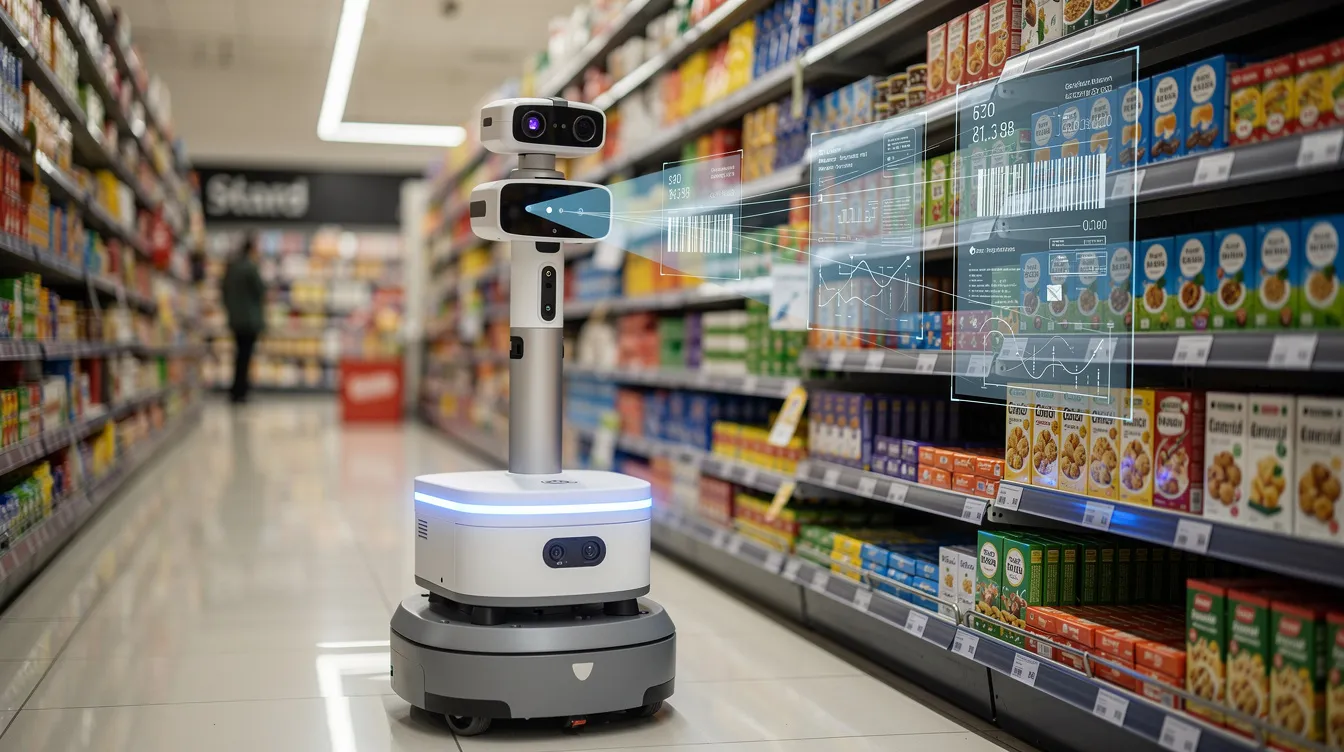
Key examples include smart shelves using RFID sensors to monitor inventory levels in real time, detecting out-of-stock conditions before they impact sales. Inventory robots like Simbe’s “Tally” navigate aisles using computer vision to identify misplaced merchandise, pricing errors, and stock gaps—achieving 3× faster detection and 50% greater accuracy than manual audits. Automated checkout systems, including cashier-less store technology, reduce wait times while gathering valuable insights on customer preferences. Loss prevention systems use predictive analytics to detect shoplifting and transaction anomalies, protecting margins without disrupting legitimate online shoppers and in-store customers.
These systems connect directly to inventory management platforms, creating closed-loop operations where detection triggers automatic restocking orders through supply chain management systems.
Online Store Automation
E-commerce AI automation focuses on creating personalized shopping experiences at scale while reducing manual workload for customer service and marketing teams. These systems analyze purchase history, browsing behavior, and customer feedback to deliver relevant experiences.
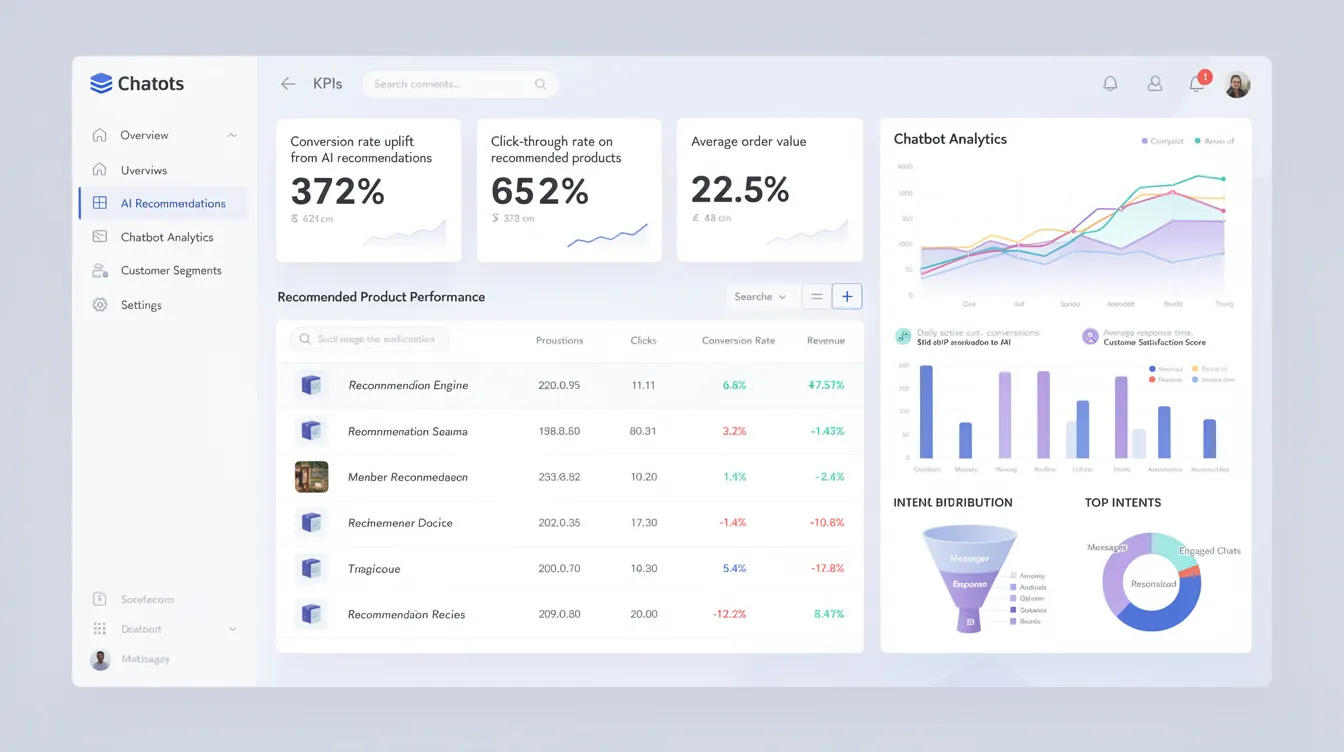
Virtual assistants and chatbots powered by natural language processing resolve approximately 70% of customer queries autonomously, driving significant cost savings while maintaining customer satisfaction. Recommendation engines analyze transaction patterns to suggest products in real time—a capability used by 71% of e-commerce retailers. Dynamic pricing algorithms adjust prices based on demand forecasting, competitor pricing, and inventory levels, with implementations showing 5-11% margin uplift. Automated return processing using ai models determines whether products should return to inventory, be liquidated, or recycled based on condition and demand signals.
These systems generate the customer data and sales data that power increasingly sophisticated personalization across the customer journey.
Multichannel Integration Automation
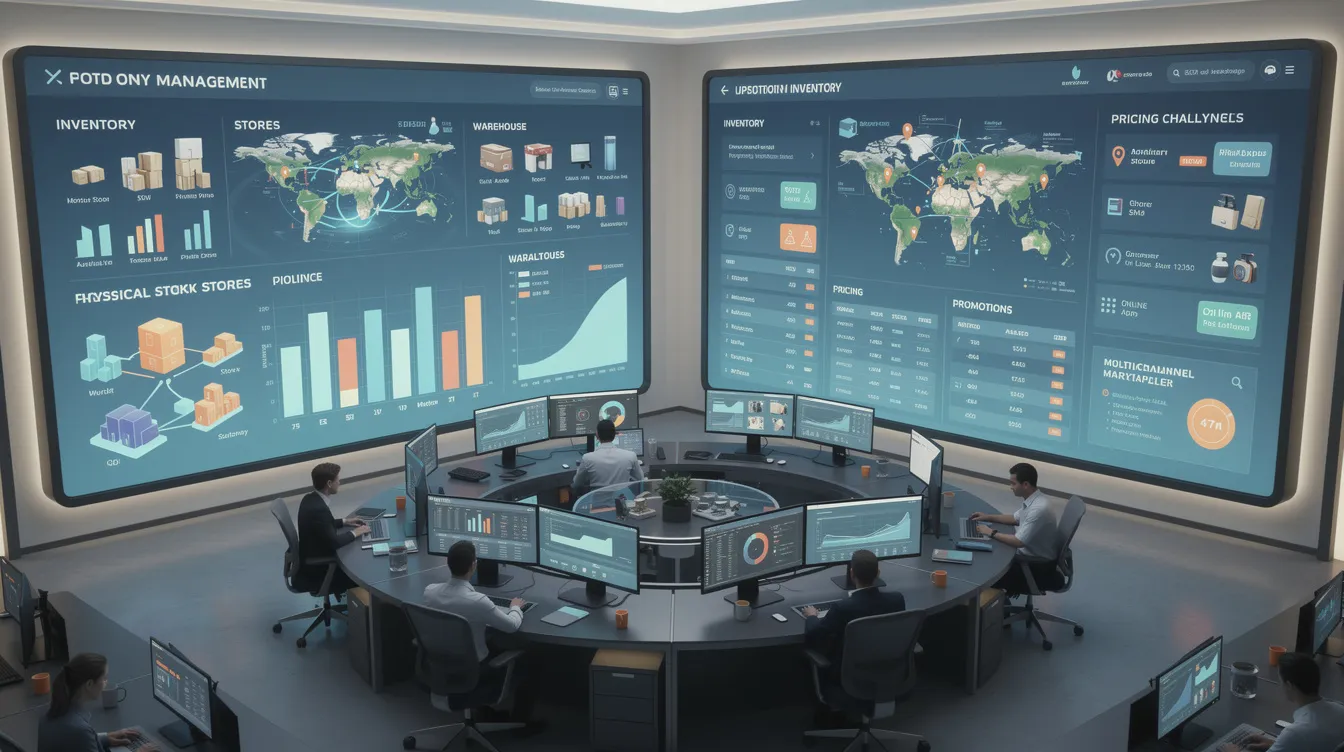
Multichannel integration automation ensures seamless experiences across physical stores, online platforms, mobile applications, and social media posts. These ai systems unify pricing, inventory, promotions, and customer engagement across every touchpoint.
Walmart’s deployment of digital shelf labels across 2,300 stores by 2026 exemplifies this trend—prices align dynamically between online and offline channels based on real time data. Omnichannel personalization platforms like those used by Slazenger connect email, SMS, and web push campaigns, achieving 49× ROI through coordinated targeted promotions that serve shoppers consistently regardless of channel.
This integration creates the unified customer data foundation essential for implementing ai at scale. The following sections examine specific automation technologies that power these capabilities.
Core AI Automation Technologies for Retail
With foundational concepts established, this section details the specific ai technologies driving transformation in retail operations. Each technology category addresses distinct operational challenges while contributing to an integrated automation ecosystem.
Inventory Management Automation
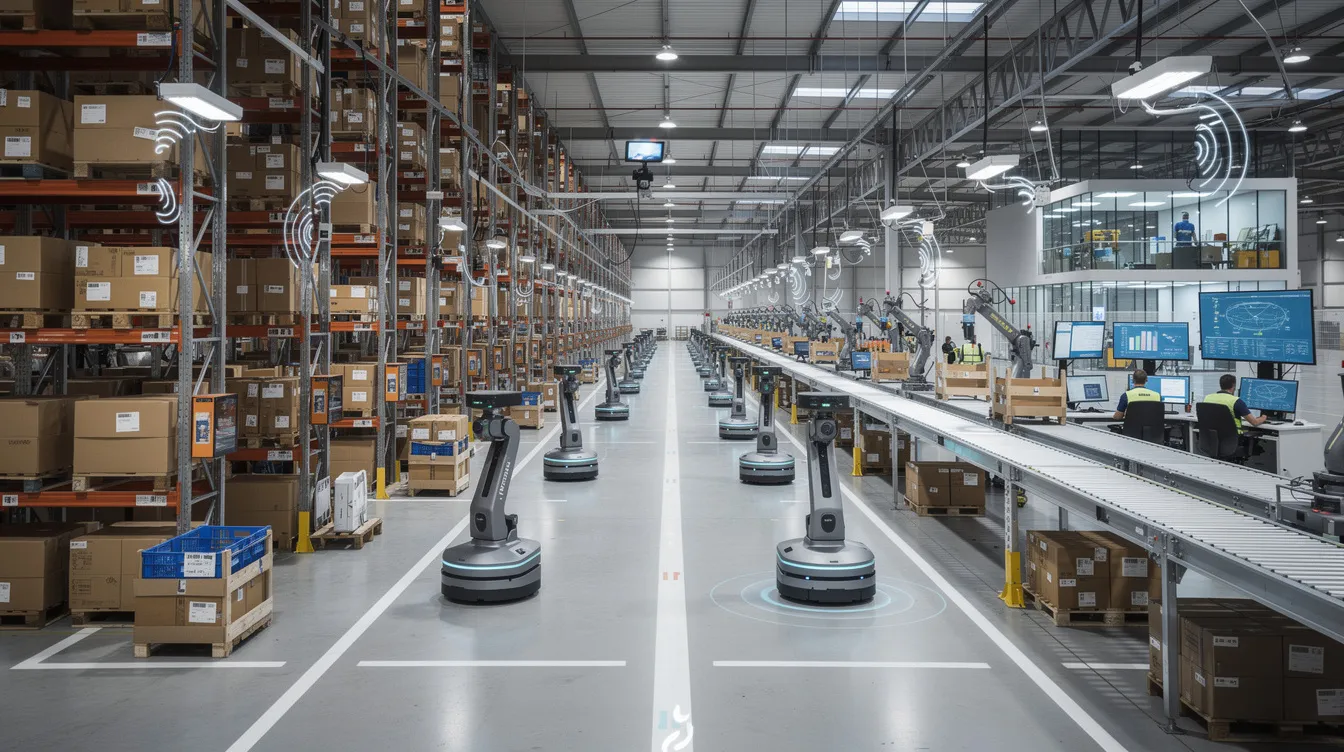
Automated inventory management combines IoT sensors, machine learning models, and supply chain analytics to maintain optimal inventory levels while minimizing carrying costs and stockouts. These systems analyze historical sales data, local events, external factors like weather, and promotional calendars to predict demand with increasing accuracy.
RFID integration enables real-time tracking of individual items from warehouse to shelf. Machine learning forecasting models—including LSTM networks with attention mechanisms—incorporate seasonality, spoilage rates for perishables, and price sensitivity to optimize inventory. A case study from a 500-store retail chain using real-time AI inventory analysis (150+ variables) achieved 68% reduction in inventory carrying cost, 99.2% product availability, and $45 million in annual savings. Advanced agentic AI frameworks now automate supplier negotiation and optimize inventory mix based on predicting demand patterns.
These systems eliminate the excess inventory and stockout conditions that erode margins while improving the customer experience through consistent product availability.
Customer Service Automation
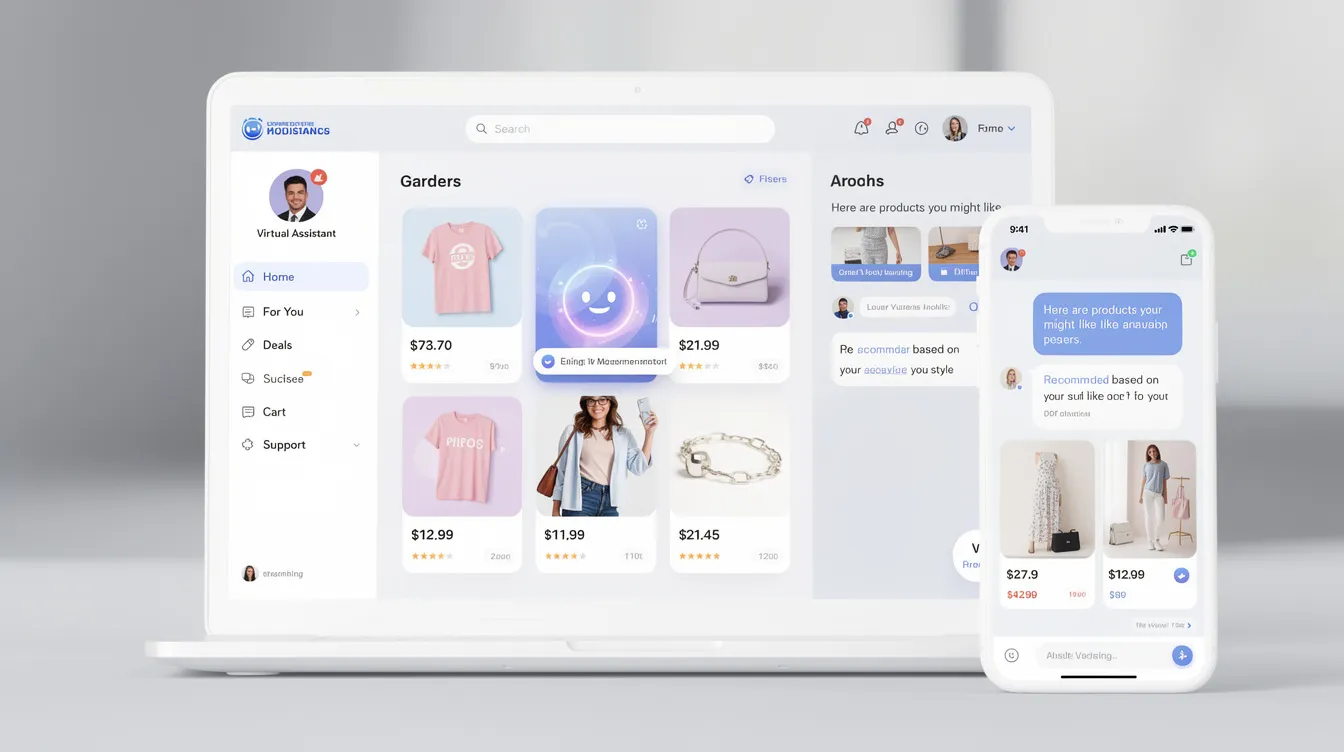
Customer service automation leverages generative ai, natural language processing, and machine learning algorithms to handle customer queries at scale while maintaining personalized human interaction quality. Over 80% of retailers now use or pilot generative AI for customer-facing applications.
Chatbots handle product questions, order status inquiries, and returns processing across web, mobile, and messaging platforms. Virtual assistants use conversational AI to guide customers through complex purchase decisions, accessing purchase history and customer preferences to provide relevant recommendations. Voice assistants in physical stores help customers locate products and check availability. Automated sentiment analysis of customer feedback and social media posts identifies service issues before they escalate.
Implementations show approximately 39% savings in customer support costs while maintaining or improving customer satisfaction scores. These systems capture customer behavior data that enriches personalization across all channels.
Price Optimization Automation
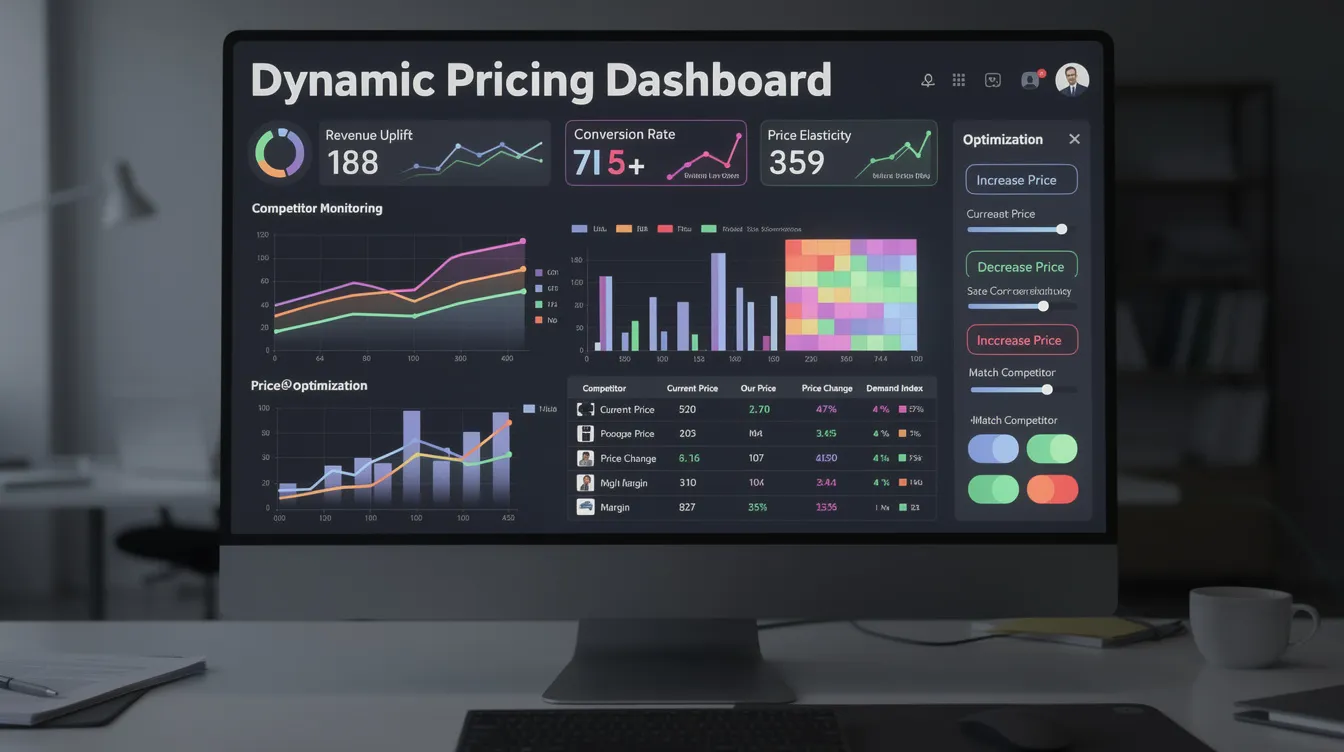
Dynamic pricing automation uses machine learning models to adjust prices based on demand, inventory levels, competitor pricing, and cost factors in real time. These systems balance margin optimization with customer trust and regulatory compliance.
Algorithms process thousands of pricing signals—from competitor monitoring to supply chain costs including tariffs—to recommend optimal prices. B2B implementations show 5-11% margin uplift and approximately 8% revenue uplift. For groceries and perishables, ai models factor spoilage rates and shelf life into pricing decisions, reducing waste while maximizing recovery. Digital shelf labels enable instant price updates in physical stores, maintaining alignment with online pricing.
Transparency becomes critical as algorithmic pricing faces regulatory scrutiny. Explainable AI approaches help retailers maintain customer trust while capturing pricing optimization benefits. These pricing signals also inform inventory management and demand forecasting systems, creating integrated optimization loops.
The following section addresses how retailers deploy these technologies effectively.
Implementation Strategies and Deployment Methods
Successful implementation of retail automation requires systematic planning, infrastructure preparation, and organizational change management. This section provides actionable frameworks for deploying ai systems across retail operations.
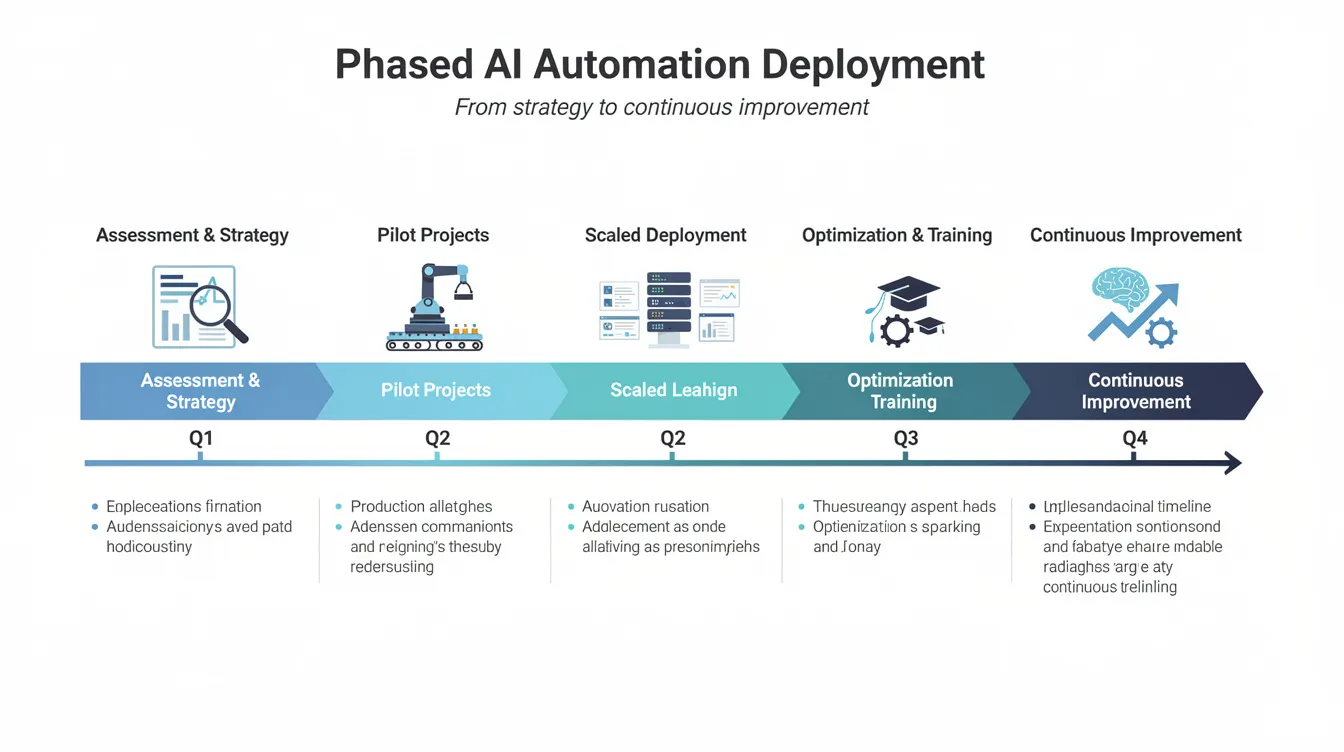
Step-by-Step Implementation Process
Effective AI automation deployment follows a structured process that builds organizational capability while managing risk. Rushed implementations often fail due to data quality issues or staff resistance.
- Data infrastructure assessment and integration: Audit current POS, e-commerce, and warehouse data systems. Assess data quality including missing records, inconsistent product identifiers, and data latency issues. Integrate systems via unified data platforms ensuring both real time data and historical sales data availability. This phase typically requires 20-30% of total project time but determines implementation success.
- Pilot program selection and testing: Choose high-impact but manageable domains—one store for smart shelf robots, one product category for dynamic pricing. Run A/B tests measuring specific metrics: stockout rates, margin impact, conversion rates, customer satisfaction. Document results to build the business case for broader deployment.
- Staff training and change management: Retrain store associates and operations teams to work effectively with ai tools. Explain new role definitions clearly—robots handle scanning, humans handle customer engagement. Build trust through transparency about system capabilities and limitations. Include staff in pilot phases to capture operational feedback.
- Full deployment and monitoring systems: After pilots demonstrate positive ROI, expand across stores and channels systematically. Build dashboards tracking inventory turnover, in-stock rates, pricing elasticity, and customer feedback. Establish model retraining schedules as customer behavior evolves. Ensure regulatory compliance across all jurisdictions.
Technology Stack Comparison
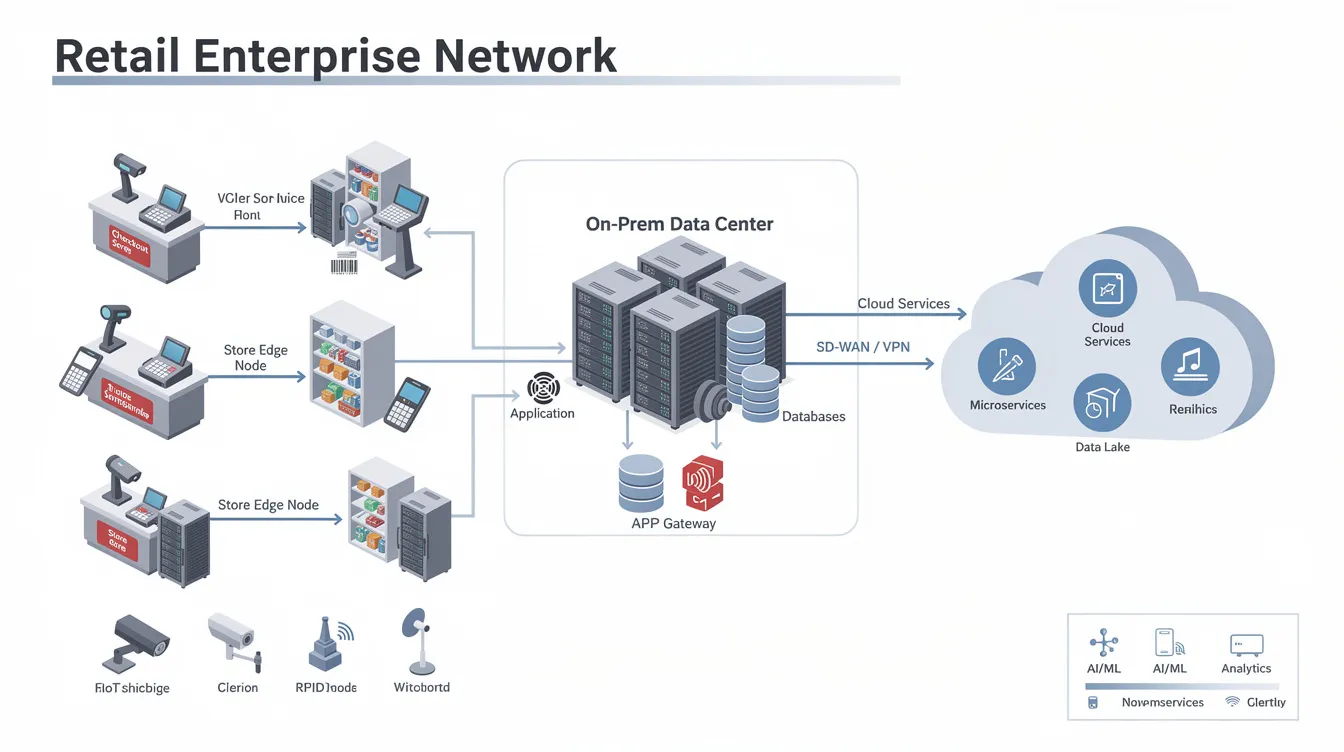
Selecting the right technology architecture impacts implementation cost, scalability, and long-term operational efficiency. Three primary approaches serve different retail contexts.
| Criterion | Cloud-Based Solutions | On-Premise Systems | Hybrid Approaches |
|---|---|---|---|
| Implementation Cost | Lower upfront; pay-as-you-go | Higher initial investment | Moderate initial; scaled expansion |
| Scalability | Highly scalable; elastic resources | Limited by hardware capacity | Flexible; edge + cloud combination |
| Security | Provider-managed; compliance certifications | Full local control; data stays on-site | Sensitive data local; analytics in cloud |
| Maintenance Requirements | Provider handles updates | Internal IT team required | Split responsibility; specialized skills needed |
| Real-Time Latency | Dependent on connectivity | Lowest latency for local operations | Edge processing for time-critical functions |
Cloud-based solutions suit retailers prioritizing speed to deployment and flexibility. On-premise systems serve organizations with strict data sovereignty requirements or unreliable connectivity. Hybrid approaches—combining edge computing for real-time store operations with cloud platforms for training machine learning models and centralized analytics—increasingly represent the optimal balance for sophisticated retail automation implementations.
Integration costs may reach 40% of project budget, particularly when legacy POS systems require replacement or significant modification.
Common Challenges and Solutions
Implementing ai in retail encounters predictable obstacles. Addressing these challenges proactively improves success rates and accelerates time to value.
Data Integration and Quality Issues
Legacy POS and inventory systems create significant data integration challenges. Many mid-size retailers operate POS systems older than seven years, producing siloed data with inconsistent product identifiers and delayed feeds.
Solution: Implement unified product catalogs with standardized SKU structures across all channels. Deploy data cleaning tools and establish automated ETL pipelines connecting all data sources. Audit data quality metrics regularly—track missing entries, SKU mismatches, and pipeline latency. Consider synthetic data augmentation where historical data gaps exist. Modern POS hardware supporting real-time telemetry may require capital investment but enables the data foundation AI requires.
Staff Resistance and Training Gaps
Fear of job displacement, unfamiliarity with ai tools, and lack of trust in automated systems create organizational resistance. Digital skills gaps among existing employees compound these challenges.
Solution: Implement structured change management with clear communication about how automation changes—not eliminates—roles. Store associates shift from repetitive tasks to customer engagement and exception handling. Conduct hands-on workshops where staff interact directly with ai systems during pilot phases. Celebrate early wins publicly to build momentum. Establish continuous learning programs that develop skills incrementally. Incentivize adoption through recognition and career development pathways.
ROI Measurement and Budget Constraints
Proving automation value to secure funding requires clear metrics and realistic projections. Slow model convergence and unclear measurement frameworks undermine budget requests.
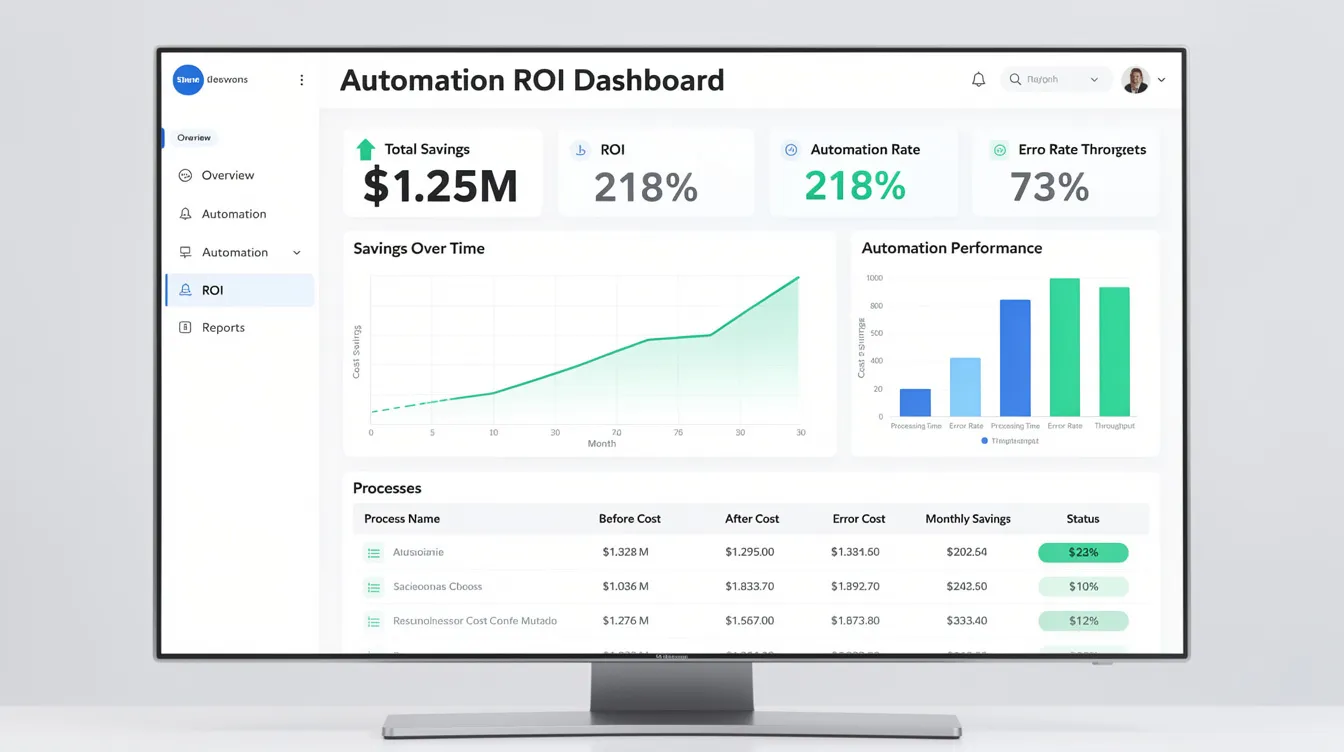
Solution: Define specific KPIs before implementation: inventory turnover days, stockout rates, margin changes, cost per transaction, customer satisfaction scores, shrinkage reduction. Use total cost of ownership frameworks that account for hardware depreciation, maintenance, and retraining costs. Structure pilot programs to generate demonstrable ROI data within 90 days. Include both hard ROI (revenue increase, cost reduction) and soft ROI (staff time saved, customer loyalty improvements) in business cases. Benchmark against industry case studies—the MegaRetail implementation delivering $45 million annual savings provides a compelling reference.
These challenges, when addressed systematically, become manageable obstacles rather than implementation barriers.
Where to start with AI in retail: five practical workflows
Most retail teams do not need a large AI programme to see results. These five retail automation workflows are a good first step because they use data you already have and keep a person in control of anything that matters.
- Order status and returns replies. An AI assistant reads the customer’s message, looks up the order in Shopify or your order system, and drafts or sends the answer. Anything unusual goes to a person. See how this works in AI customer support automation.
- Low-stock alerts with context. Instead of a raw stock report, the buying team gets a short daily summary: which lines are running low, how fast they are selling, and which supplier to contact.
- Supplier and purchase order follow-ups. Late deliveries and missing confirmations get chased automatically by email, with replies logged against the order. Our AI email automation page shows the pattern.
- Review and feedback triage. New reviews and survey answers are tagged by topic and sentiment, so product and store managers see recurring problems each week instead of reading every comment.
- Weekly trading summary. Sales, stock and support data are pulled together into one plain-English report for the Monday meeting, with the numbers linked back to their source.
For more examples across sectors, see AI automation use cases across industries, or our guide to AI automation for small business if you run a smaller shop.
Conclusion and Next Steps
AI automation in retail works best when it starts small: one workflow, clear before and after numbers, and a person who owns the result. Once the first workflow runs reliably, the same data connections make the next one faster to build.
To begin your AI automation journey:
- Assess current technology infrastructure and automation readiness—audit data systems, identify integration requirements, and evaluate data quality across all channels
- Identify high-impact pilot automation projects—select one or two use cases with clear metrics where success demonstrates value and builds organizational capability
- Develop staff training and change management plan—prepare your organization for new workflows, role definitions, and continuous learning requirements
- Select technology partners and begin implementation—evaluate vendors against your specific requirements, then execute structured deployment following pilot validation
Most of these workflows can be built on n8n; see how we approach n8n automation for growing teams.
Not sure what to automate first?
Book a free workflow audit and we’ll map the first workflow worth building.
Book a free audit